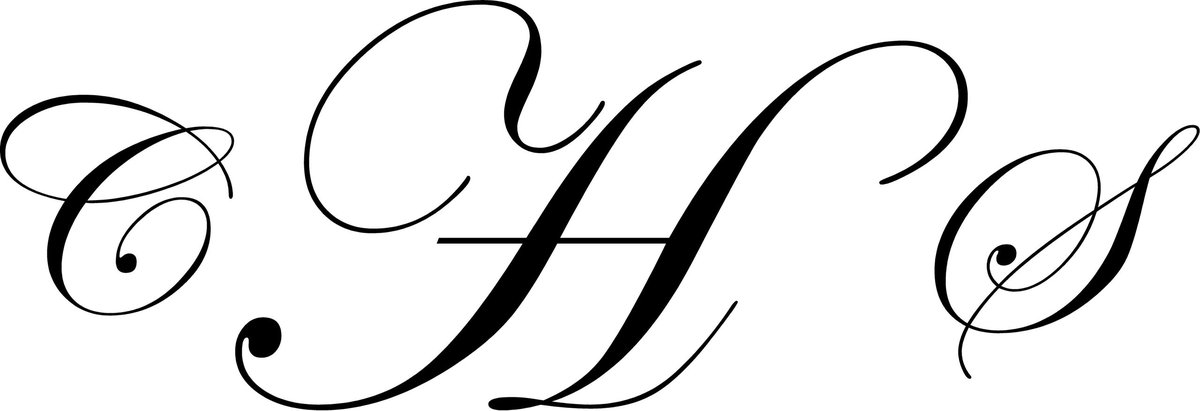
There’s something uniquely charming about a monogram. It’s a whisper of heritage, a badge of identity, and a touch of timeless elegance all stitched into one. Whether it’s gracing a crisp linen napkin, personalizing a baby blanket, or adding sophistication to a shirt cuff, your initials tell a story. Ready to make that story your own? This Step-by-Step Guide to Creating Your Perfect 3-Initial Monogram will transform you from an enthusiastic beginner to a confident creator, equipping you with the knowledge to craft beautiful, lasting pieces.
We’re not just talking about putting letters on fabric; we’re talking about creating heirlooms. And it’s easier than you might think when you have the right roadmap.
Your Monogramming Journey: At a Glance
Here’s what we’ll cover to help you master the art of the 3-initial monogram:
- Choose Your Path: Decide between the traditional artistry of hand embroidery or the precision and speed of machine embroidery.
- Gather Your Arsenal: Learn exactly which fabrics, threads, needles, and tools you’ll need for flawless results.
- Design Your Signature: Understand monogramming etiquette, letter order, and how to choose the perfect font and placement.
- Step-by-Step Mastery: Follow clear instructions for both hand and machine methods, from preparation to the final stitch.
- Achieve Perfection: Discover expert tips for tension, stabilizer selection, and visualizing your design before you commit.
- Preserve Your Work: Learn how to properly care for your monogrammed items so they last for years to come.
Hand vs. Machine: Picking Your Monogramming Method
Before you even pick up a needle, you’ll need to decide on your approach. Both hand and machine embroidery offer distinct advantages, and the "best" method really depends on your goals, budget, and desired outcome.
The Art of Hand Embroidery
This is where tradition meets tangible craftsmanship. Hand embroidery is a slower, more meditative process that offers unparalleled control over each stitch.
- Pros:
- Fine Control & Unique Results: Every stitch is placed intentionally, allowing for subtle textures and truly one-of-a-kind pieces.
- Low Initial Cost: You primarily need needles, thread, and an embroidery hoop – making it very accessible for beginners.
- Portability: Take your project with you anywhere.
- Therapeutic: Many find the rhythmic nature of hand stitching to be relaxing and rewarding.
- Cons:
- Time-Consuming: Larger or more intricate designs can take many hours.
- Skill Dependent: Achieving uniform stitches and crisp outlines requires practice.
- Limited Scale: Best for smaller monograms or single items.
The Precision of Machine Embroidery
If speed, consistency, and tackling multiple projects are high on your list, a machine is your ally. Modern embroidery machines are sophisticated tools capable of intricate designs with professional-grade precision.
- Pros:
- Speed & Efficiency: Stitch designs in minutes that would take hours by hand, perfect for batches of items.
- Precision & Consistency: Machines deliver perfectly uniform stitches and flawless letterforms every time.
- Complex Designs: Handle highly detailed patterns, multiple colors, and intricate fills with ease.
- Built-in Fonts & Features: Access a vast library of fonts and design editing capabilities.
- Cons:
- Higher Initial Investment: Embroidery machines can range from a few hundred to several thousand dollars.
- Learning Curve: Requires understanding software, hooping techniques, and troubleshooting.
- Less Portability: You're tied to the machine.
- Material Specifics: Requires stabilizers and specific threads.
Your Actionable Choice: If you're looking to personalize a few cherished items with a handmade touch, start with hand embroidery. If you plan to create monograms for gifts, multiple items, or desire professional precision, consider machine embroidery.
Stocking Your Crafting Arsenal: Essential Tools & Materials
No matter your chosen method, having the right supplies is paramount for a successful project. Skimping on materials often leads to frustration and subpar results.
The Foundation: Your Fabric
The fabric is your canvas. Choose wisely.
- Go Stable: Opt for non-stretchy or stable fabrics like cotton, linen, broadcloth, and sturdy blends. These fabrics hold stitches well and resist distortion.
- Stretchy Situations: If you must monogram a stretchy knit (like a t-shirt), careful hooping is critical for hand embroidery. For machine embroidery, a permanent stabilizer (like cut-away or no-show mesh) is non-negotiable to prevent puckering and maintain stitch integrity.
- Always Test: Whenever possible, do a test stitch on a scrap piece of your chosen fabric. This helps gauge compatibility and stabilizer needs.
The Thread of Life: Embroidery Floss
Your thread choice impacts the look, feel, and durability of your monogram.
- Hand Embroidery: Six-strand cotton floss is the classic choice. You can separate the strands to achieve different thicknesses and effects, from delicate outlines (1-2 strands) to bold fills (3-6 strands). DMC and Anchor are popular, high-quality brands.
- Machine Embroidery:
- Rayon: Known for its beautiful sheen and vibrant colors. It’s smooth and works well for most designs.
- Polyester: Often stronger and more colorfast than rayon, making it excellent for items that will see frequent washing (e.g., towels, children's clothes). It also has a lovely sheen.
- Color & Sheen: Consider if you want your monogram to subtly blend or boldly contrast with your fabric. Rayon offers a brighter, shinier finish, while cotton floss can range from matte to a soft sheen depending on the brand and how it's stitched.
Precision & Control: Needles and Scissors
Small but mighty, these tools are indispensable.
- Needles (Hand Embroidery): Use embroidery or crewel needles. They have a larger eye to accommodate multiple strands of floss and a sharp point to glide through fabric. Match the needle size to your thread thickness and fabric weave.
- Scissors: Small, sharp embroidery scissors are a must for cleanly trimming threads, especially jump stitches in machine embroidery. A pair with a fine point is ideal for getting close to the fabric without snipping it.
Marking Your Masterpiece: Transfer Tools
Accuracy in marking is key to a perfectly placed monogram.
- Water-Soluble Pens: Great for drawing designs directly onto fabric; the ink disappears with water.
- Carbon Transfer Paper: Place it between your design printout and fabric, then trace for a clear, temporary line.
- Iron-On Pencils: Create a design on paper, then iron it onto your fabric for a temporary guide.
- Tailor's Chalk: Ideal for darker fabrics, easy to brush away.
- Rulers/Measuring Tape: Essential for precise placement and sizing.
Holding it Tight: Embroidery Hoops
A taut fabric is a happy fabric for embroidery.
- Hand Embroidery: Wooden or plastic hoops keep your fabric drum-tight, preventing puckering as you stitch. Ensure it's not so tight it distorts the fabric weave.
- Machine Embroidery: Machines come with specific hoops designed to hold both fabric and stabilizer securely. Learning to hoop correctly without stretching the fabric is a critical skill for machine embroiderers.
The Unsung Hero: Stabilizer (Crucial for Machine Embroidery)
Stabilizer is the foundation beneath your stitches, preventing puckering and providing support. Choosing the correct stabilizer for your fabric type and design density is critical for achieving professional-quality stitches.
- Cut-Away: For unstable fabrics like knits, t-shirts, or open-weave materials. It provides permanent support and is trimmed close to the design after stitching. Do NOT tear this away.
- Tear-Away: Ideal for stable, woven fabrics like cotton or linen. It tears away easily from around the design once stitching is complete.
- Wash-Away: Dissolves completely in water. Use when no stabilizer should remain, such as for lace designs or delicate items.
- Sticky/Self-Adhesive: Perfect for items that are difficult to hoop, like cuffs, collars, or thick towels. You stick the item directly to the stabilizer.
Designing Your Signature: Monogram Style & Placement
Your monogram is more than just initials; it's a statement. The way you arrange letters, choose fonts, and place it on an item all contribute to its final impact.
Decoding Letter Order: Who's Who?
The traditional 3-initial monogram has a specific etiquette that differentiates between single individuals and couples.
- Single Person (Traditional 3-Letter Monogram): This is the most common style. The Last Name Initial is typically placed in the center and is often larger than the other two. The First Name Initial goes on the left, and the Middle Name Initial goes on the right.
- Example: For John Robert Smith, the monogram would be JSR.
- Alternative: Some prefer all three initials the same size, in the order of First, Middle, Last (e.g., JRS). This is also acceptable and less formal.
- Couples (Traditional 3-Letter Monogram): This style elegantly blends two individuals into one design. The Last Name Initial (the shared surname) is again centered and often larger. The Bride’s First Name Initial is placed on the left, and the Groom’s First Name Initial is on the right.
- Example: For Mary and John Smith, the monogram would be MSJ.
Actionable Insight: When designing, simplify for impact. Focus on the elegance of the initials rather than cluttering with excessive embellishments. A clean, well-executed monogram speaks volumes.
Fonts & Patterns: Setting the Tone
The font you choose dramatically influences the monogram's character.
- Classic Script Fonts: Exude sophistication, elegance, and a touch of vintage charm. Think of flowing, interconnected letters for a timeless look.
- Block Fonts: Offer a straightforward, modern, and crisp appearance. These are often used for a more masculine or contemporary feel.
- Machine Embroidery: You’ll have a wealth of built-in fonts to choose from, often with options to resize, reshape, and even combine. Many machines also allow you to import custom fonts.
- Hand Embroidery: You can draw your letters freehand, trace patterns from books or online sources, or use stencils for consistent letterforms.
Finding the Perfect Spot: Monogram Placement
Placement is where design meets functionality and aesthetics. Consider the item's use and visual balance.
- Towels: Traditionally centered on the bottom edge or in one of the corners. For bath towels, 3-4 inches is a common size.
- Shirts:
- Men’s: On the cuff (often the left), above the left breast pocket, or on the bottom hem (more discreet).
- Women’s: Near the collarbone, on a cuff, or on the bottom hem.
- Common size for shirt cuffs: 1 inch.
- Bags (Totes, Purses): Often centered on the front for maximum visibility. For a tote bag, 4-6 inches is a good size.
- Linens (Pillowcases, Napkins): Typically placed in a corner or centered, depending on how the item will be folded or displayed.
- Baby Items (Hats, Blankets, Onesies): Centered on the front, often slightly smaller for a delicate touch.
Actionable Insight: Measure Twice, Stitch Once! This isn't just a saying, it's a mantra for monogramming. Use washable marking tools (water-soluble pen, tailor's chalk) or pins to mark your exact placement. Better yet, print out your monogram design on paper, cut it out, and hold it up to the item to visualize its size and position. For machine embroiderers, many machines have screen guides or even laser pointers to help with precise placement. If you're looking for design inspiration or want to quickly mock up your initials, a free 3-initial monogram generator can be an invaluable tool.
The Heart of the Matter: Core Monogramming Steps
Regardless of your method, these initial steps set the stage for success.
Step 1: Preparation is Key
A smooth start leads to a smooth finish.
- Wash & Press Fabric: Always pre-wash and press your fabric before monogramming. This removes any sizing that could interfere with stitch quality, preshrinks the fabric (preventing puckering after the first wash), and creates a wrinkle-free surface.
Step 2: Design Transfer & Marking
Accurate transfer ensures your monogram ends up exactly where you want it.
- Lightly Draw/Mark: Using your chosen transfer tool (water-soluble pen, carbon paper, tailor's chalk), lightly draw or trace the letter shapes onto your fabric. Mark the exact center and boundaries of your monogram placement. Ensure marks are faint enough to be covered by stitches or removed later.
Step 3: Hooping Up
This is arguably one of the most crucial steps for stitch quality.
- Secure & Drum-Tight: Place your fabric (and stabilizer for machine embroidery) securely in the embroidery hoop. Tighten the hoop until the fabric is as taut as a drum, with no wrinkles or slack. For machine embroidery, ensure the stabilizer is hooped along with the fabric, providing a stable base. Avoid stretching the fabric as you hoop, especially knits, as this will lead to puckering when released.
Mastering Your Method: Hand vs. Machine Stitching
Now, let's dive into the specifics for each technique.
Hand Embroidery: The Art of the Needle
With needle and thread, you're the artist, creating texture and form stitch by stitch.
- Thread Your Needle: Cut about 18 inches (45 cm) of your chosen embroidery floss – longer threads tend to tangle. Separate the strands to achieve your desired thickness (e.g., 2 strands for delicate lines, 3-4 for fills). Knot one end of the thread (or use a knotless starting method like a waste knot or running the thread under existing stitches).
- Stitching Fundamentals:
- Bring the Needle Up: Start from the back of the fabric, bringing the needle and thread up along your marked line.
- Follow the Lines: Use an appropriate stitch to outline and fill your letters.
- Outlines: Backstitch (creates a solid, continuous line) or Stem Stitch (gives a slightly rope-like, textured line) are excellent choices.
- Filling: Satin Stitch (creates a smooth, solid filled area with stitches laid close together), Long and Short Stitch (for subtle shading and smooth transitions), or Seed Stitch (a textured fill using tiny scattered stitches) can be used.
- Even Tension: Maintain consistent tension with each stitch. Too tight, and the fabric will pucker; too loose, and the stitches will look sloppy.
- Finishing Threads: When you need to end a thread or switch colors, run your needle under several existing stitches on the back of the fabric to secure it, then snip the excess. Avoid large knots that can create bumps.
- Stitching Order: Generally, it’s best to outline the letters first to define their shape, then proceed to fill the interior areas with your chosen fill stitch.
Machine Embroidery: The Dance of the Hoops and Needles
Machine embroidery brings speed and precision, but also requires specific setup and monitoring.
- Load Your Design: Power on your machine. Select a built-in font or load your desired design file (often via USB or directly from a computer). Use the machine's screen or editing features to position the design accurately within the hooped area. Ensure it's centered and sized correctly.
- Machine Setup:
- Thread Up: Thread the top of your machine with the chosen embroidery thread (rayon or polyester).
- Bobbin Power: Load the bobbin with bobbin thread, which is typically a lighter weight thread designed to balance the top thread. Ensure it’s inserted correctly according to your machine's manual.
- Let the Machine Stitch:
- Start: Begin the embroidery process. The machine will do the work, but your vigilance is key.
- Monitor: Watch for color change prompts (if your design has multiple colors), thread breaks, or any tangles.
- Jump Stitches: The machine will often create "jump stitches" – long threads connecting different parts of the design or between letters. Some machines automatically trim these; others require you to manually snip them as you go or at the end. Trimming these ensures a clean finish.
The Grand Finale: Finishing Touches
Once the stitching is complete, a few final steps will elevate your monogram from good to gorgeous.
- Remove from Hoop: Carefully loosen the hoop and remove the fabric. Avoid pulling or tugging aggressively, which could distort stitches.
- Clean Up:
- Soluble Markings: If you used water-soluble pens, gently mist or dab the area with water until the marks disappear.
- Stabilizer: Trim excess stabilizer according to its type. Tear-away can be gently ripped away from the edges. Cut-away should be carefully trimmed with sharp scissors, leaving about 1/4 inch around the design. Wash-away simply dissolves in water.
- Loose Threads: Snip all loose threads and any lingering jump stitches with your fine-point scissors, both on the front and back of the design. A clean back means a professional finish.
- Press for Perfection: Place the monogrammed area face down on a soft, clean towel. Gently press with a warm iron. This flattens the stitches beautifully and removes any residual hoop marks. Pressing from the back helps to prevent flattening the raised texture of satin stitches.
Expert Tips for Great Results
Even with a detailed guide, a few pro tips can make all the difference.
- Practice, Practice, Practice: Never underestimate the value of a test run. Always begin on a scrap piece of the exact same fabric you're using for your final item. This allows you to test thread color, needle size, tension, stabilizer choice, and overall stitch quality without risking your main project.
- Master Tension Control:
- Hand Embroidery: The key is consistency. Avoid pulling too tight or leaving stitches too loose. Aim for a smooth, even appearance.
- Machine Embroidery: Correct tension ensures your top and bobbin threads are balanced. On the back of the fabric, you should see approximately 1/3 bobbin thread and 2/3 top thread. Adjust your machine's tension settings until this balance is achieved. Improper tension is a primary cause of looping, puckering, or visible bobbin thread on the front.
- The Stabilizer Secret (Machine Embroidery): The right stabilizer isn't just helpful; it's absolutely paramount. The wrong type can cause your fabric to pucker, stitches to sink, or letters to distort. Always refer to a stabilizer guide or ask for advice if you're unsure about the best choice for a specific fabric and design density.
- Visualize Before You Commit: As mentioned earlier, holding a paper printout of your desired monogram size and shape directly on the item is invaluable. It helps you visualize the scale and placement, ensuring it looks balanced and aesthetically pleasing before you make a single stitch.
Cherishing Your Creation: Care Instructions
Proper care will ensure your monogrammed items remain beautiful for years to come.
- Gentle Washing: Wash items in cool or warm water using a mild soap. Harsh detergents or hot water can cause thread colors to fade over time or potentially shrink the fabric around the stitches.
- Drying with Care: Air dry your monogrammed pieces whenever possible. If using a machine dryer, choose a low heat setting. High heat can damage delicate embroidery threads, cause puckering around stitches, or distort the fabric.
- Ironing for Longevity: When ironing, place the monogrammed area face down on a soft, clean towel. This allows the stitches to sink slightly into the towel, preventing them from being flattened by the iron. If necessary, use a pressing cloth over the back of the embroidery. Never iron directly on raised satin stitches, as this can crush the beautiful texture.
Unleash Your Creativity: Styling Variations
Monograms don't have to be rigid; they're an opportunity for personal expression. Don't be afraid to experiment!
- Size Matters: Vary the size for different effects. A subtle 1-inch monogram on a shirt cuff is discreet and refined, while a bold 4-6 inch monogram on a tote bag makes a confident statement. A bath towel typically looks great with a 3-4 inch monogram.
- Color Play:
- Single Color: Classic and elegant, especially when matching or subtly contrasting the fabric.
- Multiple Colors: Use different colors for each initial, or combine colors within a single letter for a vibrant, personalized touch.
- Contrasting Hues: Make your monogram pop with a color that stands out sharply against the fabric.
- Fill It Up (or Don't):
- Outline-Only: A delicate and minimalist approach that highlights the shape of the letters.
- Solid Fill: Creates a bold, prominent monogram, often achieved with satin stitch.
- Embellishments & Frames: Take it a step further by adding appliqué fabric shapes beneath your monogram, or stitch a decorative frame around the initials for an extra touch of flair.
Your Monogramming Journey Begins Now
Creating a 3-initial monogram is a rewarding endeavor that adds a touch of bespoke elegance to everyday items and cherished gifts. With the right tools, a clear understanding of the steps, and a dash of patience, you'll be stitching beautiful monograms that stand the test of time.
Remember, every stitch is a step in your creative journey. Don't be afraid to experiment, learn from your practice pieces, and enjoy the process of bringing your unique initial story to life. Happy stitching!